Table of Contents
Manatee County Courts, FL *

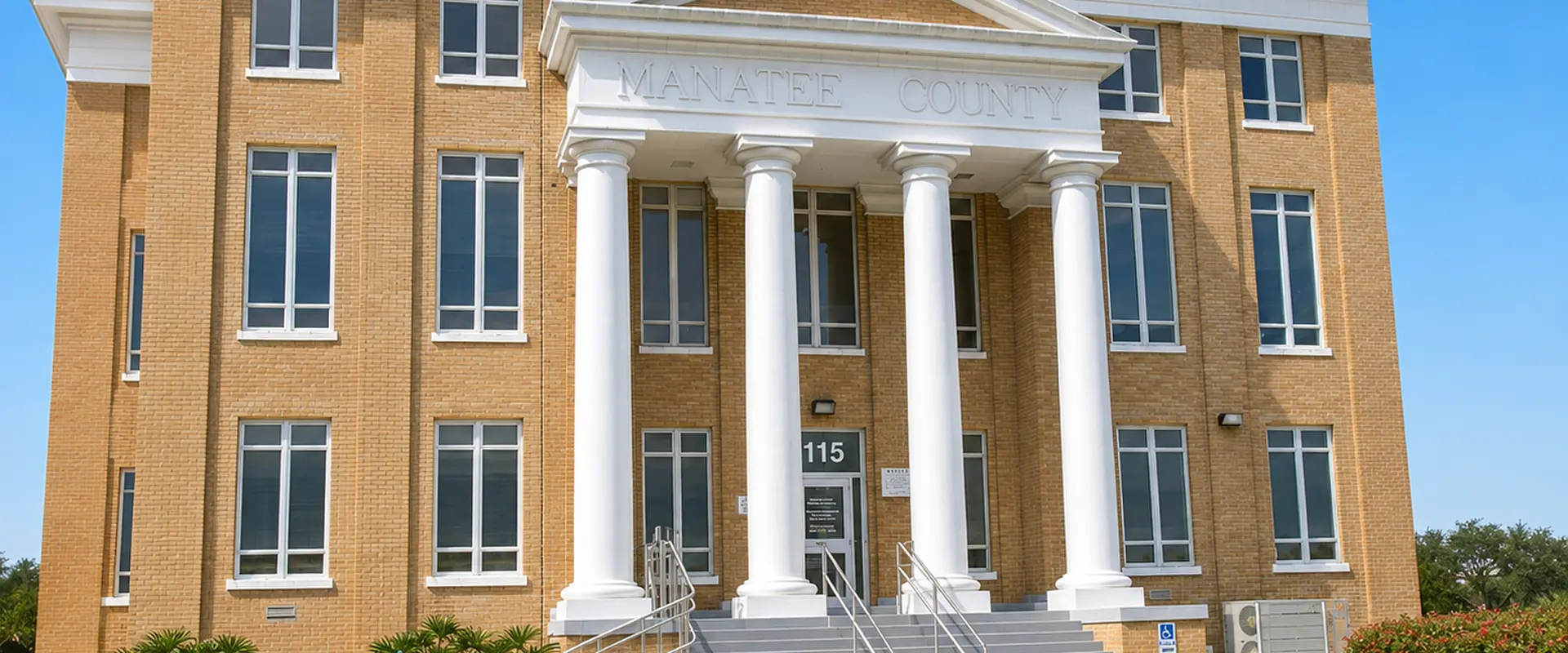
Manatee County in Florida has a population of almost 400,000. Its county seat in Bradenton serves as the judicial hub, housing the Manatee County Courthouse, the Clerk's office, and other crucial branches of the government. Holding the judiciary together is the unified court system. All the residents and various professionals look up to the main courts to find resolutions to their conflicts. The cases range from minor claims and traffic offenses to massive lawsuits and felonies. Every single day, these matters reach the courtrooms and are settled, and the law provides access to court records and seamless online filing systems so the cases can proceed unobstructed.
Overview of the Manatee County Court System
The court system in Manatee County is one of the trial courts in Florida, and all its procedures take place as directed by statute. The highest level in the state is the Supreme Court, which is the one guiding how the other courts function. It has the largest jurisdiction over not just Manatee, but all the other counties in Florida. Most importantly, this court maintains its mandatory jurisdiction over the highest-stakes cases, including matters that could lead to the death penalty. The next major courts that the Manatee Court System relies on are the District Courts of Appeal, which stand in as the court of review or the appellate court of Florida. All the matters that parties find unresolved at the local county level come here.
The next courts down the chain are the local courts of Manatee County. The higher level chambers and the court with the larger jurisdiction is the Circuit Court. There are two such courts in Florida, and in most cases, different counties share the same court, which means that the various courthouses are distributed all over each of those counties. Major cases are resolved here as well as the appeals that are transferred from the lower courts. This lower court and the other court operating in Manatee County is the County Court. It is housed in the county courthouse but handles minor cases from the locals, especially those that are quicker to resolve.
Types of Courts in Manatee County, Florida
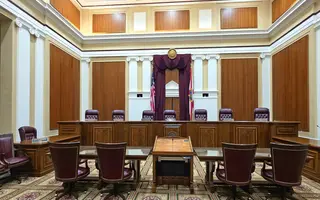
There are two courts operating in Manatee County, each with its own jurisdiction. Parties who want to interact with the courts at any capacity must be aware of the two and how they work, which will come in handy when they want to know which court will be handling their case or where they will find the records they need.
 Circuit Court
The 12th Judicial Circuit Court is one of the many trial courts that serve more than one county. It functions in Manatee, DeSoto, and Sarasota Counties. Being one of the biggest courts at the local level, the following are the cases in its jurisdiction:
- Felonies
- Family law
- Juvenile cases
- Probate
- Mental health
- County court appeals
There are various courthouses in the three counties that host the 12th Judicial Circuit Court. In Manatee, this court operates from the courthouse in Bradenton, helping the county solve some of its high-stakes cases. Felonies that attract the heaviest punishments are arraigned here, and usually, it has a general jurisdiction when it comes to most cases. It also hears civil matters, as long as the disputed amount is high. Parties with family matters, juvenile cases, and other issues that are outside the jurisdiction of the County Court also bring their complaints here. The 12th Circuit Court is also famously known as the appellate court for cases that need review or appeals from parties that are not satisfied with the rulings of the County Court.
Primary Location: Manatee County Judicial Center
 County Court
The Manatee County Court was established by a legislative directive from the state. The Manatee County Court in the county seat's judicial center is generally known as the "people's court" because it handles the following cases:
- Small claims
- Evictions
- Misdemeanors
- Civil matters
- Traffic violations
- Violations of Manatee County local ordinances
The Manatee County Court is the entry point for the locals who want to access the court system in the region. They turn to this court when they have minor everyday issues that require quick resolution, instead of lengthy procedures. This court boasts of original jurisdiction when it comes to cases like misdemeanors, traffic violations, and breaches of city codes. Such cases go here first unless they are appealed, for which they will be transferred to the circuit court. As for civil cases, which can go to either court, the determining factor is the amount being contested. If it's more than $50,000, it can be tried at the Circuit Court, but if the amount in question is lower than that, then the case can be solved in the County Court.
Primary Location: Manatee County Courthouse
How to Access Manatee County Court Records
All the official county records are filed with the Manatee County Clerk of the Circuit Court and Comptroller. The clerk is the custodian of all the court records, so whatever is found will come from that office. The office's main duties include collecting and compiling all the records from the state. Once the case is filed, it gets a case number that parties can use to track it down. The clerk will also refer to this number when accessing any cases that are stored physically or electronically. The Supreme Court has authorized the clerk to provide access to the records to members of the public who can view and retrieve them in different ways.
 Online Access
The people of Manatee County can obtain court records from the online court records search, which is hosted by the clerk. Parties can reach this site from the clerk's official website when they click "Court Records". They will navigate to the case search page, which will then guide them on the next steps. All they need is details of the case number, the type of case it is, and other identifying features that will help filter out the search. Parties can also download the files that they need, but at a small cost.
 Alternative Online Options
Apart from the county's official case search portal, residents and professionals can also access court records through third-party sites like CourtCaseFinder. This is a good alternative for parties that need access to a larger database of court records, especially legal professionals interested in several cases from all over the country. The portal compiles records from all the states and all their counties, not just Manatee County in Florida, which makes it a convenient and faster way to get any court records.
 In-Person Requests
Since the Clerk is the official custodian of all the county's court records, the office is the go-to for parties who cannot access the records online. If there is any issue with the online system, then the next resort is to go physically to the clerk's office for access to the office's database. It can be quite massive, so it is best for parties to bring along case identification details like the case number, case type, and the party's name. This will go a long way to filter out unnecessary hits and bring them closer to finding the exact record they need. The Court Clerk's office is wonderful for answering questions about procedures and court records for citizens.
 Archived Records
What happens when the records being searched predate digitization? There are cases where the parties need archived historical records that are not in the clerk's custody and are not in online databases. These are harder to find and take longer to retrieve because parties must go to the archived storage from the Division of Library and Information Services. The State Archives have court records dating from the 1820s. It serves as the storage for most of the archived records in the entire state, so if one cannot find particular details from the other methods, the archived database may save the day.
For Attorneys and Legal Professionals
Attorneys interacting with the Manatee County courts find online case searches highly convenient. At the click of a button, they can access important records that they can use for their cases. The key is to always be prepared. That's why the 12th Judicial Circuit Court provides guidelines for legal professionals to follow. Through the official site, attorneys are notified of matters of professional conduct, rules and procedures, trial dockets, court orders, and more.
They are first told how they should prepare for court. For instance, those living with disabilities are guided on how to request accommodations earlier from the court to avoid any last-minute hiccups. They are also informed of the court's attention to matters such as arranging interpreters and how the transcription service works. When it comes to rules and procedures of the Manatee County courts, the professionals are also required to bear in mind the state and local rules. They are reminded to follow the Florida Rules of Procedure and the Standards of Professionalism. To be safe, they have to go through the guidelines, making sure that all the rules are followed. Otherwise, it may cause issues for them and their clients, derailing their cases.
How to File a Case in Manatee County
There are so many types of cases filed in Manatee County across multiple divisions. Individuals and legal professionals go to different courts every day to file probate, civil, family, misdemeanor, juvenile, assault, debt claims, and many more. For those filing at the Manatee courts for the first time, there are various steps to follow. The goal is to file properly and accurately, making sure that the case proceeds smoothly.
Step 1: Choose the Correct Court
Knowing that there are two courts that operate in Manatee County, it is important to know which court should be tasked with handling the particular case. The 12th Circuit Court and the County Court hear different cases according to their magnitude. The more serious matters, like felonies and juvenile cases, go to the circuit court, while other cases, like misdemeanors and small claims, go to the County Courts first. Mixing up these cases and filing them at the wrong court will only lead to delays, so the first step is to identify where the case belongs, then file it at the proper court.
 Step 2: Complete Required Forms
There are forms obtained from the County Clerk's Office that are used by parties to file cases. No matter how small or massive the case is, these forms serve as the official documents recording details of civil, probate, family, misdemeanors, and other offenses. Parties must carefully fill out the pages, making sure that all the blanks are filled and that the details provided are very accurate. If not, they will have to redo the processes, which is why some people opt to file at the county clerk's office, so they get guidance when they are stuck.
 Step 3: File the Case
There is a convenient way for parties to file cases in all the courts in Florida. Both professionals and individuals can file any type of case, and the state mandates that it should be done electronically using the Florida Courts E-Filing Authority system. This is a handy portal that can be used even by non-professionals, linking the various Florida Courts. All the cases that are filed at the local and state levels are compiled in this system, and for parties that are stuck, the system provides a set of general instructions that they can use. Citizens who are self-representing can choose to file in person at the Clerk's Office or online.
 Step 4: Pay Filing Fees
The clerk's office maintains a fee schedule for various departments, including case filing. From the site, filers and visitors are notified about how much they should pay based on the service they need from the courts. The schedule is organized by case type and based on the specific service. One can confirm from the listing first before making payments, so the case can be filed correctly. Usually, the bigger the case, the higher the filing fees. For parties from low-income families who find the cost too high, they can fill out and submit the Application for Determination of Civil Indigent Status, which, if approved, could mean the fees being waived.
 Step 5: Serve the Other Party
For everyone filing a case in Manatee County, it is important that they serve the opposing party. This means that the other side is informed that there is a case against them, which also gives them enough time to prepare and defend themselves. There are specific rules governing the service process for citizens. In some cases, people are allowed to serve the other litigant via email or general mail, but there are very specific criteria that have to be met. They can serve the opposing side through the sheriff's office or by using a licensed process server in the area. Afterward, filers will notify the court that the process is done by submitting the proof of the process. It is only after the court receives the proof that the case can proceed to the next level.
 Step 6: Monitor the Case
So much is involved after a case has been filed, with several activities happening behind the scenes. Filers don't want to be caught unprepared, so it is important that they check the progress of their cases. The parties must check their progress, making sure that they catch all the important updates. They can use the case number to log into their online portal and monitor the case. They must watch out for mentions, hearing dates, and any other adjustments that have been made to the timelines. These updates are important to the cases because they can negatively or positively affect their outcomes. Residents who have questions about the court calendar, court procedures, or other questions about court records can contact the County Clerk's Office.
Manatee County Courthouse Directory
The following is how attorneys, legal professionals, businesses, researchers, and individuals can contact the Manatee County courts.
Manatee County Courthouse
The legal hub for Manatee County, home of the 12th Judicial District Court and the Manatee County Court.
12th Judicial District Court
Address: 1051 Manatee Avenue W, Bradenton, FL 34205
Phone: (941) 749-3692
Website: The 12th Judicial Circuit Court
Manatee County Court
Address: 1051 Manatee Avenue W, Bradenton, FL 34205
Phone: (941) 749-3692
Website: Manatee County Court
Legal Help and Self-Help Resources
Cases come in so many forms, and the legal process can be quite demanding, especially for people coming from marginalized communities. Luckily, there are programs working statewide and at the local levels, making sure that the locals and the less privileged have a fair chance of success with their cases.
 Free Legal Assistance
Veterans and senior citizens living in Manatee and the surrounding counties have access to free civil legal aid from Bay Area Legal Services. As long as the individuals qualify, they can be assisted with various cases, including violence-related matters, when they reach out through the helpline. There are also members of the community who need help with finding freedom for their unfairly convicted friends and family. The Innocence Project of Florida is a non-profit that helps the innocent and wrongly accused prisoners regain their freedom and reintegrate into society.
 Local Legal Support
The Legal Aid of Manasota operates in Manatee and Sarasota, providing legal support for the locals who need help with family law, housing, domestic violence, divorces, and probate issues. Another non-profit that assists the locals with their legal issues is Southern Legal Counsel. This is a statewide organization that aims for equal justice for all, regardless of their gender and orientation. Veterans and seniors (called elders in Florida) have a list of legal resources available in Manatee County and throughout Florida.
FAQs
How many courts are present in Manatee County?
There are two main courts serving Manatee County at the local level. The first is the 12th Circuit Court that handles major cases like felonies, juvenile and family matters, while the other is the Manatee County Court, which solves minor disputes like evictions, small claims, and traffic and city ordinance violations.
Are Manatee County records accessible to the public?
Yes, the state of Florida made it possible for all members of the public to gain access to court records across all local and state courts. These are records that are kept by the county clerk and are available online and can be retrieved in person at the clerk's office.
What information can one find from the Manatee County court records?
The court records that can be accessed by the public contain important case details like the names of the parties that are involved, the docket entries, case summaries, case transcripts, filed documents, and the court judgments and rulings. They may also contain more specific details based on the type of case, like evidence submitted in criminal cases.
How can I access court records from neighboring counties?
While the official court record search from the clerk's office assists when accessing records from Manatee County, there are instances where parties seek court records from other counties as well. In that case, one can turn to third-party sites like CourtCaseFinder, which compile records across all the other states and their counties.
What does it mean for a court to have original jurisdiction over a case?
When a court has original jurisdiction, it means that it is the first court that can handle the case. For instance, the County Court of Manatee has original jurisdiction over charges like misdemeanors. This means that the case must first be handled there before it goes to any other court, in case it needs to be appealed.
Other Counties in Florida
- Alachua
- Baker
- Bay
- Bradford
- Brevard
- Broward
- Calhoun
- Charlotte
- Citrus
- Clay
- Collier
- Columbia
- De Soto
- Dixie
- Duval
- Escambia
- Flagler
- Franklin
- Gadsden
- Gilchrist
- Glades
- Gulf
- Hamilton
- Hardee
- Hendry
- Hernando
- Highlands
- Hillsborough
- Holmes
- Indian River
- Jackson
- Jefferson
- Lafayette
- Lake
- Lee
- Leon
- Levy
- Liberty
- Madison
- Marion
- Martin
- Miami-Dade
- Monroe
- Nassau
- Okaloosa
- Okeechobee
- Orange
- Osceola
- Palm Beach
- Pasco
- Pinellas
- Polk
- Putnam
- Saint Johns
- Saint Lucie
- Santa Rosa
- Sarasota
- Seminole
- Sumter
- Suwannee
- Taylor
- Union
- Volusia
- Wakulla
- Walton
- Washington
Table of Contents